
Choosing a repair shop is one of the most important decisions a European car owner makes. The wrong shop doesn’t just waste money — it shortens the life of the vehicle. Even if you never visit Advanced European Service, knowing how to vet a shop protects your investment.
Here’s how to evaluate whether a shop truly understands European vehicles.
1. Specialization Matters
A shop that works on “everything” rarely masters anything. European vehicles require:
- Brand-specific diagnostic equipment
- Model-specific service procedures
- Specialized training and experience
If a shop doesn’t primarily service European vehicles, that’s a red flag.
2. Diagnostic Capability
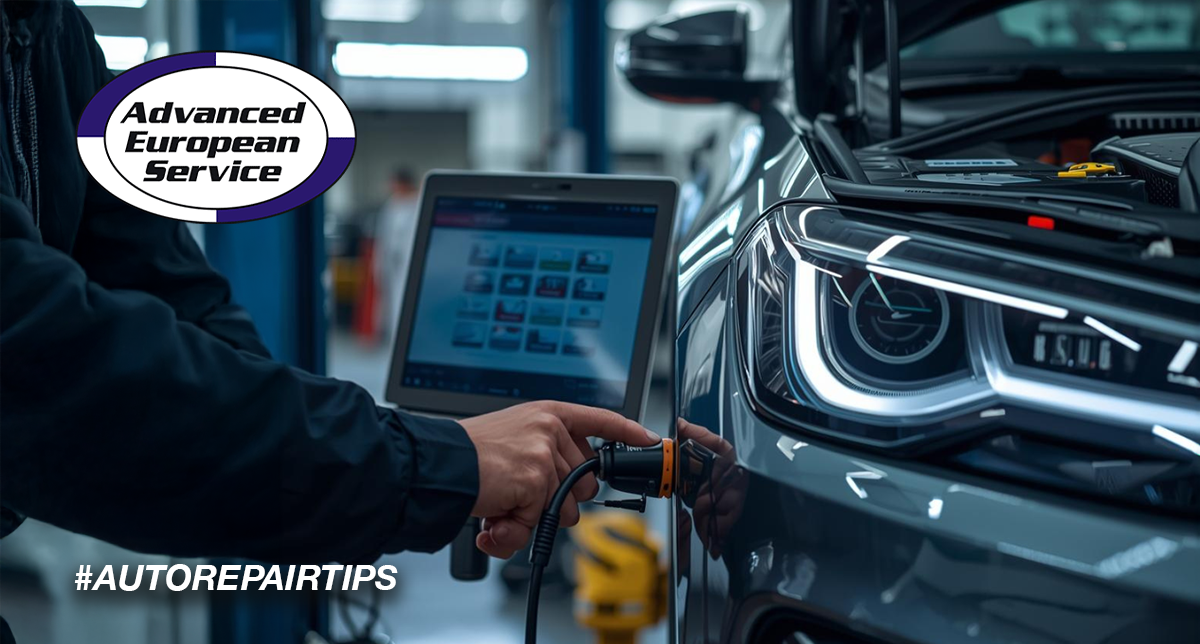
Ask what diagnostic tools they use. Generic scanners are not enough.
A qualified European shop should be able to explain:
- How they diagnose faults
- Whether they test before replacing parts
- How they confirm repairs solved the issue
3. Parts Quality Transparency
Ask what parts they use and why.
If the answer is “whatever’s cheapest” — walk away.
Quality shops explain:
- OEM vs OE-equivalent parts
- Why certain components matter more than others
- What warranty backs the repair
4. Communication and Education
A good shop educates rather than pressures.
You should leave understanding:
- What failed
- Why it failed
- What prevented it
- What comes next
Confusion benefits the shop — clarity benefits the owner.
5. Warranty and Accountability
If a shop won’t stand behind its work, it’s not confident in it.
A reputable shop offers:
- Clear warranty terms
- Follow-up support
- Documentation of services performed
Final Thought
You don’t need the cheapest shop.
You need the right shop.
European vehicles reward expertise and punish shortcuts. Whether you choose Advanced European Service or another specialist, vetting correctly ensures your car is serviced with respect for its engineering.
An informed owner is the best protection your vehicle has.