
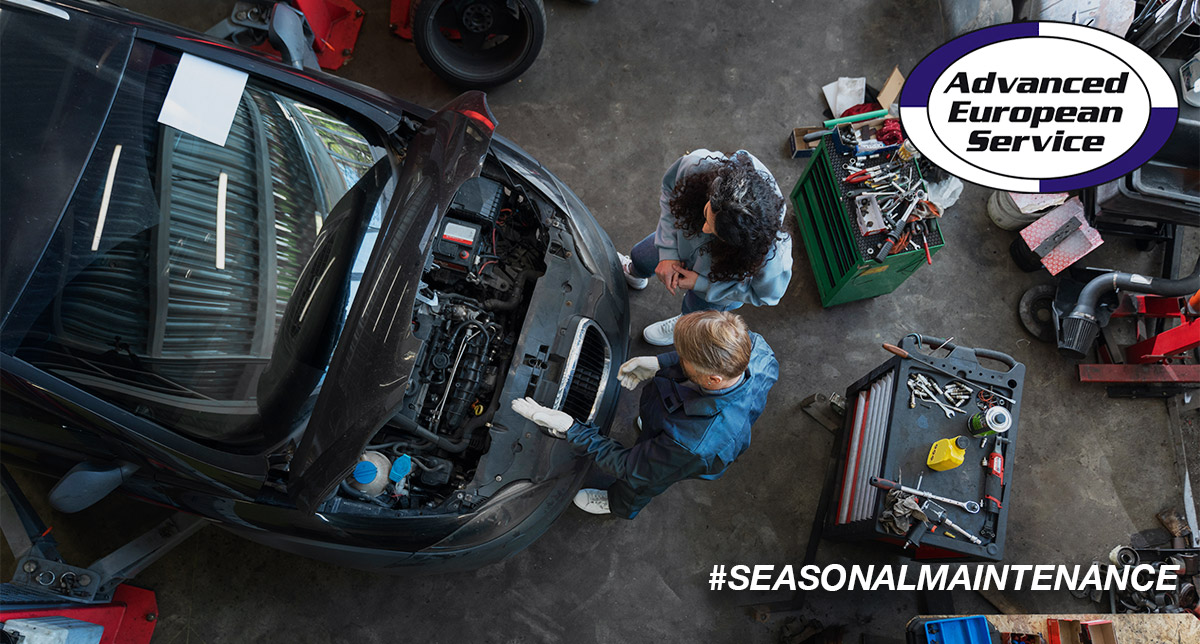
European vehicles are engineered to perform at a high level—but they’re also sensitive to environmental changes. Temperature swings, road conditions, and driving habits all place different stresses on your vehicle throughout the year. At Advanced European Service, we see a predictable pattern: cars that are seasonally maintained stay reliable, while those that aren’t often show up with avoidable failures.
Preparing your European car for summer and winter isn’t about over-maintaining—it’s about smart, preventative care.
Summer: Heat Is the Enemy
Heat is one of the most damaging forces for modern European vehicles. High operating temperatures affect fluids, electronics, rubber components, and cooling systems.
Key summer priorities include:
Cooling System Inspection
Radiators, hoses, expansion tanks, and water pumps are common failure points. A small coolant leak can quickly turn into overheating, warped components, or engine damage.
Oil Condition & Level
European engines—especially turbocharged ones—run hot. Old or degraded oil breaks down faster in summer heat, increasing wear on timing chains, bearings, and turbochargers.
Air Conditioning Performance
Weak A/C isn’t just uncomfortable—it can indicate refrigerant leaks or failing compressors that will only worsen under heat stress.
Battery & Charging System
High temperatures shorten battery life. Many European vehicles experience electrical faults simply from low voltage during hot starts.
Winter: Cold Reveals Weakness
Cold weather exposes weaknesses in systems that may seem fine the rest of the year.
Winter-focused checks include:
Battery Health
Cold cranking requires more power. A marginal battery can trigger warning lights, no-start conditions, or system malfunctions.
Brake System Condition
Moisture buildup, road salt, and cold temperatures accelerate brake corrosion—especially on European performance braking systems.
Tires & Alignment
Proper tread depth and correct alignment are critical for winter traction and stability.
Fluids
Brake fluid absorbs moisture over time, which lowers its boiling point and affects braking performance—especially in cold conditions.
Seasonal Maintenance = Fewer Breakdowns
Vehicles that receive seasonal inspections experience:
- Fewer surprise repairs
- Better performance year-round
- Lower long-term ownership costs
Seasonal service isn’t about finding problems—it’s about preventing them.